

How Can You Maximize Your Used Vehicle Trade-In Value?
Preparing your vehicle prior to an inspection is the most effective strategy to ensure an offer reflecting true market conditions. When you decide to upgrade your vehicle, taking a few systematic preparation steps can noticeably boost your initial appraisal quote.
First, complete a thorough detailing inside and out. Vehicle evaluators immediately notice cabin hygiene and paint preservation. Removing personal items, vacuuming seat upholstery, and washing off road grime build-up creates a strong baseline impression. Drivers navigating rural routes around Beaver Township often collect mud, dust, and road salt along the undercarriage and wheel wells, so a thorough wash underneath is especially beneficial before bringing your car into the appraisal bay.
Second, compile complete maintenance documentation. Presenting organized service records for routine oil changes, tire rotations, and brake replacements proves that critical mechanical systems received consistent care. Evaluators place higher valuation offers on well-documented vehicles because reduced reconditioning costs allow the vehicle to transition smoothly to a new owner.
Third, repair simple cosmetic defects. Fixing small windshield chips, replacing burnt-out light bulbs, and addressing minor door dings prevent evaluators from taking aggressive deductions for reconditioning expenses.
Once your car is prepped, reviewing current market listings helps set realistic expectations. Explore our extensive selection of pre-owned inventory to see how comparable makes, models, and mileage brackets are priced in the current pre-owned market.
When you are prepared to move forward, our professional valuation team is ready to inspect your car. You can stop by our dealership located at 2827 River Rd, Chillicothe, OH 45601 or follow simple directions to our showroom. If you have immediate questions regarding what items to bring, give our appraisal team a quick phone call to coordinate your appointment.
How Do Dealerships Evaluate and Inspect Trade-In Vehicles?
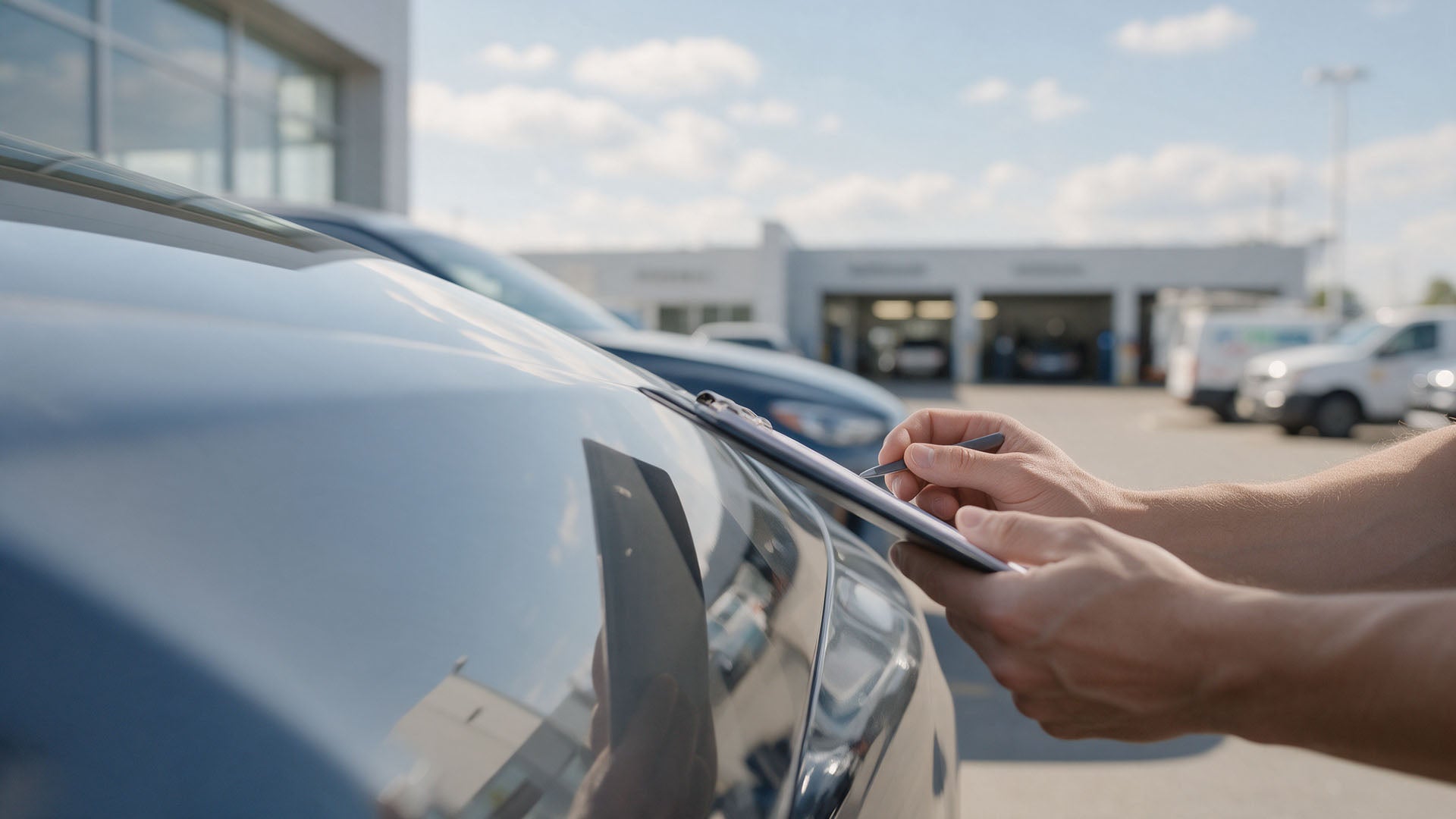
When you bring a car in for valuation, professional appraisers follow a comprehensive, multi-step inspection to determine its true market value. This process goes far beyond surface appearance to establish an objective offer based on vehicle history, mechanical integrity, and current regional demand.
The evaluation begins with a thorough exterior and structural assessment. Specialists inspect body panels to verify factory paint continuity, search for frame stress, and evaluate glass condition. Tire tread depth, brake pad remaining life, and wheel alignment are documented, as these factors directly impact necessary reconditioning costs. Inside the cabin, inspectors test electronic components, including touchscreen displays, driver-assist sensors, seat adjustments, and climate controls. Pristine trade-ins that meet rigorous age and mileage criteria frequently join our high-standard certified pre-owned inventory.
Next comes a mechanical inspection and diagnostic scan. Technicians connect to the onboard diagnostic system to check for active or historical trouble codes across the engine, transmission, ABS, and safety modules. For drivers navigating unpaved secondary routes around Beaver, suspension health and all-wheel-drive system engagement receive special attention during the physical walkaround.
A short test drive completes the technical evaluation. The appraiser monitors gear shifts, throttle responsiveness, cabin noise levels, and braking feel under normal driving conditions.
If you intend to transition into one of our modern new Hyundai vehicles, understanding key performance metrics helps you evaluate how your trade-in measures up against current options like the 2026 Hyundai Tucson:
| Vehicle Feature | 2.5L 4-Cylinder Engine | 1.6L Turbo Hybrid Powertrain |
|---|---|---|
| Horsepower Rating | 187 hp | 231 hp |
| Torque Rating | 178 lb-ft | 271 lb-ft |
| Transmission Type | 8-speed automatic | 6-speed automatic |
| Towing Capacity | 2,000 lbs | 2,000 lbs |
| Cargo Space Behind Row 2 | 38.7 cu ft | 38.7 cu ft |
By taking time to understand this detailed evaluation process, vehicle owners can feel confident and fully prepared when bringing their car in for a professional offer.
What Essential Documents Do You Need for a Vehicle Appraisal?
Arriving at the dealership with proper paperwork ensures your vehicle appraisal proceeds smoothly without unnecessary delays. Organizing key ownership and identification items ahead of time allows the valuation team to verify legal title and calculate exact equity rapidly.
To prepare for a fast transaction, assemble these mandatory documents before your appointment:
- Certificate of Title: Bring the original title free of liens if you own the car outright. Every person named on the title must attend to endorse the transfer.
- Lender Information and Account Numbers: If an active lien exists, bring current financial statements so representatives can obtain an accurate 10-day loan payoff quote.
- Valid Driver's License: Government-issued photo identification is required for all legal vehicle owners involved in the transfer.
- Current Registration: Official registration documentation verifies active ownership status and facilitates license plate transfers.
- Keys and Owners Manuals: Presenting all primary fobs, spare keys, valet keys, and factory handbooks avoids automatic valuation deductions.
Compiling well-documented maintenance records can also work in your favor. Detailed service history demonstrates conscientious ownership, which is especially valuable for models that might meet certified pre-owned vehicle program standards. If your car needs minor adjustments or oil changes prior to evaluation, you can easily book a service appointment with factory-trained technicians. Gathering these essentials after you calculate your estimated trade worth online guarantees a hassle-free transition into your next vehicle.
How Does the Vehicle Sales Tax Credit Save You Money?
Trading in your current vehicle at an authorized dealership offers a major financial advantage that private-party sales simply cannot match: state vehicle sales tax credits. Under Ohio tax regulations, when you trade in a passenger vehicle toward the purchase of another vehicle, state and local sales tax is assessed only on the net difference between the purchase price and your agreed-upon trade-in allowance.
Instead of paying tax on the full retail sticker price of your replacement vehicle, the appraised value of your trade-in directly lowers your taxable baseline. For example, if you purchase an SUV priced at $32,000 and receive a trade allowance of $12,000, your taxable basis drops to $20,000. Depending on local tax percentages, this difference translates into hundreds of dollars in direct out-of-pocket savings—equity that would be completely forfeited if you chose to sell your vehicle independently.
These meaningful tax savings allow owners from agricultural hubs like Stockdale to stretch their vehicle acquisition budgets further. Drivers often reallocate these conserved funds into personalizing their new vehicle, outfitting it with durable protection packages or towing gear from our selection of genuine Parts & Accessories.
To discover how these tax credits impact your overall purchasing structure, you can initiate the process from home by completing a Credit Application. Our finance team will factor your estimated trade credit directly into your balance, creating a transparent picture of your net cost before you step into the showroom.
How Do You Handle Car Loans and Negative Equity When Trading In?
Carrying an outstanding loan balance on your current vehicle is a common situation during the vehicle appraisal and exchange process. When you bring in a vehicle that is not fully paid off, our team contacts your lender to obtain an accurate 10-day payoff figure. This amount dictates the exact sum required to satisfy the lien on your current title.
If your vehicle's appraised market value exceeds the remaining payoff amount, you hold positive equity. That surplus value transfers directly as a down payment toward your upgrade, reducing the total amount you need to finance. However, if your outstanding loan balance is greater than the current market value, you face negative equity.
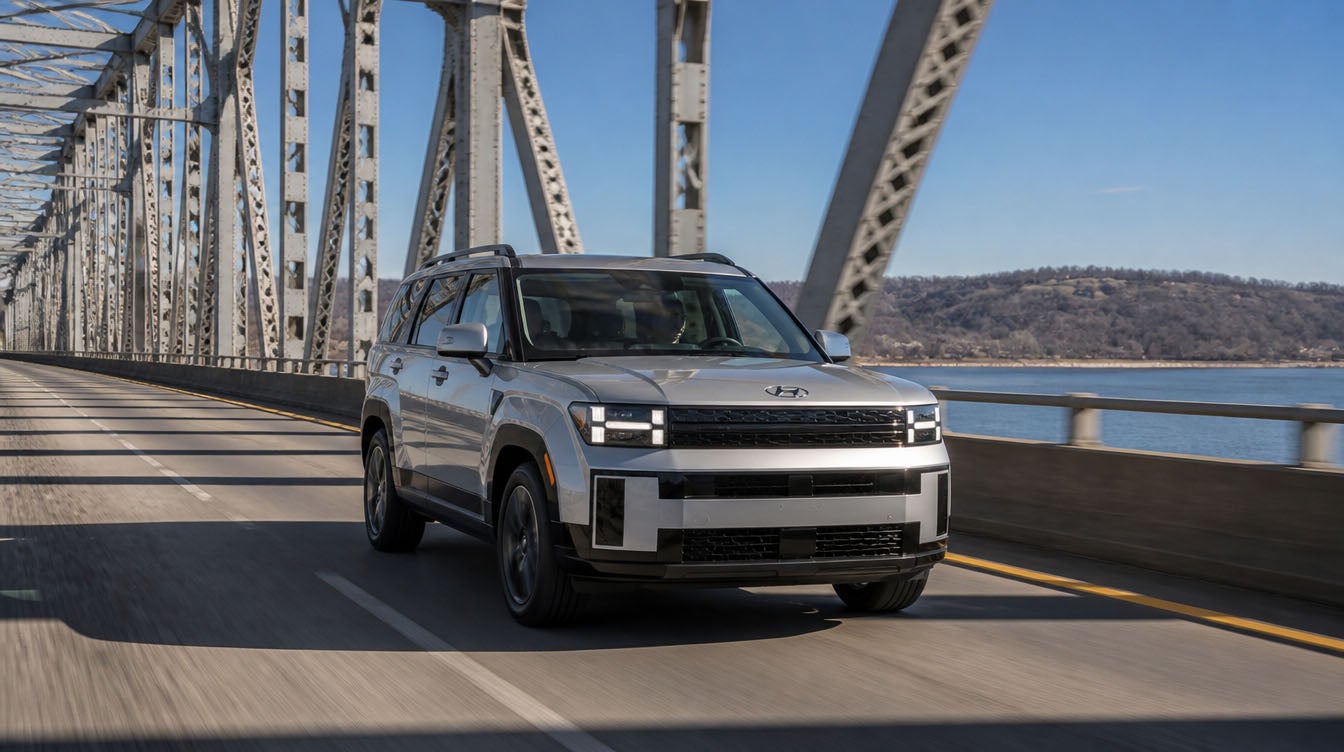
Having negative equity does not prevent you from securing a newer, more reliable ride. In many cases, our finance experts can consolidate the remaining balance into your new monthly vehicle installment plan. For example, if you choose an elevated midsize SUV like the 2026 Hyundai Santa Fe, available trim levels range from the entry SE configuration at an MSRP of $35,050, to the well-appointed Limited trim at $44,600, up to the top-tier Calligraphy edition at $47,600. Structuring this transfer properly ensures your new monthly payment stays within a realistic budget.
To help balance out any lingering equity gap, you can take advantage of our current Herrnstein Hyundai New Car Specials on popular inventory. You can also view our Herrnstein Hyundai Hours and Directions to visit our showroom and complete a personalized equity assessment with our financial team.
Frequently Asked Questions About Car Appraisals at Herrnstein Hyundai
Here are answers to common questions about the trade-in process, helping you maximize your vehicle valuation with complete confidence.
What should you do if your vehicle title is missing?
If your physical title is lost or misplaced, you must request a duplicate title through the Ohio Bureau of Motor Vehicles before ownership can be officially transferred. Our appraisal specialists can guide you through the necessary replacement paperwork required by the county clerk of courts. If you have additional inquiries about vehicle transfer documentation, you can explore our comprehensive Herrnstein Hyundai FAQ for helpful resources.
Why should you remove aftermarket accessories before an appraisal?
Removing custom equipment like non-factory audio systems, aftermarket wheels, or modified exhausts is generally recommended before your appointment. While unique modifications reflect personal taste, they rarely increase market value during a standard appraisal. Restoring your vehicle to factory condition ensures it appeals to the broadest group of potential buyers, which helps secure a higher overall offer.
How long does an in-person trade-in valuation take?
A complete professional inspection usually takes between 30 and 45 minutes. During this window, an evaluator checks mechanical components, verifies exterior and interior condition, and performs a quick test drive. For drivers traveling in from Stockdale along State Route 32, planning a brief visit allows our team to provide a transparent, written cash offer while you wait.
Who needs to sign the paperwork for a co-owned vehicle?
If your current vehicle title names more than one legal owner, all individuals listed must be present at the dealership to sign the final release documents. In cases where a co-owner cannot attend the scheduled evaluation in person, a legally signed and notarized power of attorney form is required to complete the sale.
Still have questions about trading in your car? You can get interactive Get Directions to Herrnstein Hyundai at 2827 River Rd, Chillicothe, OH 45601 or give our team Call us at (740) 779-6555 to speak directly with an appraisal specialist today.