
Blog / Herrnstein Hyundai

Understanding Your Factory Coverage and New Vehicle Limited Warranty

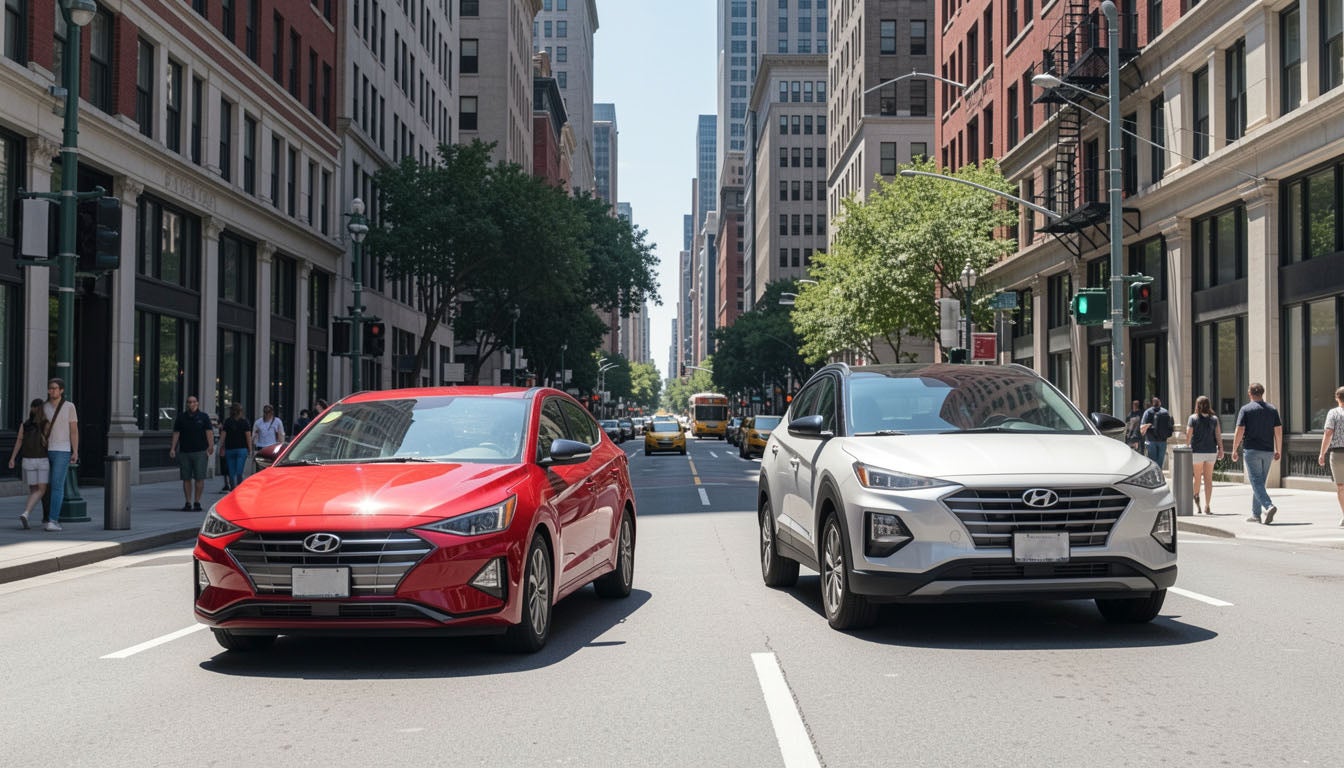
magnific__2026-hyundai-elantra-and-2026-hyundai-tucson-cruis__68536

Every new vehicle in our lineup, from the efficient 2026 Hyundai Elantra to the versatile 2026 Hyundai Tucson, arrives with a comprehensive suite of protections designed to safeguard your ownership experience. The foundation of this coverage is the 5-year / 60,000-mile New Vehicle Limited Warranty, which addresses nearly every factory-installed component. Whether you are navigating the rural roads of Beaver Township or commuting along the regional corridors of southern Ohio, this warranty ensures that any defect in materials or factory workmanship is corrected using genuine parts and specialized diagnostic tools.

This "bumper-to-bumper" style coverage is remarkably broad, though it is important for owners to distinguish between warrantable defects and standard maintenance. While the warranty covers major electronic systems and mechanical assemblies, it typically excludes wear items like wiper blades, brake pads, and fuses after the first 1 year / 12,000 miles. For those looking for long-term value in a budget-friendly package, even our pre-owned vehicle specials often benefit from the remaining balance of these generous factory terms, provided the vehicle is still within the time and mileage limits.

Beyond the primary vehicle coverage, owners receive specialized protection for environmental and supplemental systems. This includes an 8-year / 80,000-mile Federal Emission Defect and Performance Warranty on major components like the catalytic converter and engine control module. If you have questions about specific coverage dates for your vehicle, you can review our warranty details online or reach out to our service advisors. For those ready to experience the reliability of a brand-new model, exploring our current new-vehicle incentives is an excellent way to start your journey with full factory backing. If you need a physical walkthrough of these benefits, you can find our dealership address on River Road, where our team is available to explain the fine print in person.

Table of Contents

What Is Covered Under the Hyundai 10-Year or 100,000-Mile Powertrain Warranty

The centerpiece of the brand's commitment to durability is the 10-year / 100,000-mile Powertrain Limited Warranty. This coverage specifically targets the "heart" of the vehicle—the engine, transmission, and drive axle assemblies. For the original owner, this means decade-long protection against major mechanical failures. In the 2026 Hyundai Santa Fe, for example, the shift to a conventional eight-speed torque-converter automatic is fully supported by this term, ensuring that the internal components of the transaxle remain covered against manufacturing defects for the long haul.

Specific engine parts covered under this agreement include the cylinder block and heads, timing gears, timing chain, and the water pump. On the transmission side, internal parts, seals, gaskets, and the torque converter are all protected. It is a common point of discussion during our service consultations that this specific 10-year term is reserved for the original owner; subsequent owners generally transition to the 5-year / 60,000-mile powertrain coverage. This distinction is one reason why many shoppers ask what defines a certified used vehicle, as those models often include extended powertrain protections that mirror new-vehicle confidence.

For those driving electrified models like the 2026 Hyundai Tucson Hybrid or the 2026 Hyundai Elantra Hybrid, the powertrain story extends to the high-voltage systems. The 10-year / 100,000-mile Hybrid/EV Battery Warranty covers the battery pack and electric drive components for both original and subsequent owners. This includes a guarantee that the battery will not degrade below 70% of its original capacity during the warranty period. Whether you are driving a Sonata, a family-sized Palisade, or the rugged Santa Cruz, these protections are designed to withstand the varying demands of southern Ohio winters and heavy-duty use.

To keep these systems running optimally, we recommend utilizing connected care services to monitor vehicle health in real-time. If a light appears on your dashboard, you can quickly check for active recalls or service campaigns online. Maintaining your powertrain also involves staying current on fluid changes and inspections, which is where our routine maintenance programs become essential. If you ever find yourself in a difficult situation on the road, remember that manufacturer roadside assistance is included for 5 years with no mileage limit, providing a safety net that goes far beyond the mechanical components themselves.

​

Comparing Hyundai's Protective Coverage Against Toyota and Honda Warranties

When you look at the landscape of automotive protection, the gap between our standard coverage and that of major competitors is significant. While many manufacturers provide a basic warranty that expires after 3 years or 36,000 miles, the 5-year / 60,000-mile New Vehicle Limited Warranty found on every model at our dealership offers an additional two years of security. This difference is especially noticeable for residents in Beaver who may rely on their vehicles for longer rural commutes where mileage adds up quickly.

The powertrain comparison is even more stark. Toyota and Honda typically offer a 5-year / 60,000-mile powertrain warranty, which is exactly half the duration of the 10-year / 100,000-mile term provided to original Hyundai owners. This extended window reflects a deep confidence in the engineering of the 2.5L I4 engines and advanced transmissions found in our current lineup. Furthermore, our anti-perforation warranty lasts for 7 years / unlimited miles, beating the 5-year limits often seen elsewhere. This is a critical advantage in the salt-belt region of Ohio, where winter road treatments can accelerate underbody corrosion.

To ensure your vehicle remains eligible for these industry-leading protections, staying on top of your maintenance schedule is vital. You can easily schedule an oil change online to keep your engine in peak condition. We invite you to read through our owner testimonials to see how this long-term coverage has provided peace of mind for drivers across the region. If you are planning a visit to discuss these comparisons further, our hours and directions page provides the best routes to our facility from anywhere in the surrounding townships.

​

Maintaining Your Warranty Through Certified Service and Genuine Parts

One of the most frequent questions we hear in our service bays is whether aftermarket parts or independent shops can affect warranty eligibility. While federal law allows you to have your vehicle serviced at any qualified facility, using genuine OEM components is the most reliable way to ensure a claim is never denied due to part failure. The 1-year / unlimited miles Replacement Parts and Accessories Limited Warranty covers components purchased and installed at an authorized dealer, providing a secondary layer of protection that "white box" parts from a local auto store simply cannot match.

Our factory-trained technicians use specialized diagnostic equipment to identify issues before they lead to costly repairs. When we perform a repair on a 2026 Hyundai Tucson or a 2026 Hyundai Santa Fe, we use parts designed specifically for those models' unique tolerances. This is particularly important for complex systems like the 1.6L I4 hybrid engines or the advanced sensors used in forward collision-avoidance systems. To keep your vehicle's service history documented and your warranty intact, we make it simple to book a service appointment through our digital portal.

For those who prefer to handle minor customizations or maintenance themselves, our online parts and accessories store offers everything from oil filters to specialized cargo organizers. Using these authentic items ensures that your additions meet the same quality standards as the vehicle itself. Beyond technical excellence, our commitment to the community is reflected in initiatives like support for pediatric cancer research, ensuring that when you choose certified service, you are also supporting a broader mission of care.

​

Common Questions About Maintaining Your Hyundai Warranty Coverage

Does a missed oil change void my entire warranty? This is a concern for many drivers in Stockdale who manage busy agricultural or trade schedules. While a single slightly late service typically won't cancel your coverage, a documented history of neglect can lead to the denial of specific claims. If an engine failure occurs and there is evidence of oil sludge from skipped intervals, the powertrain warranty may not cover the repair. We recommend keeping all receipts and digital records to prove the vehicle was maintained according to the factory schedule.

Another common point of confusion involves vehicle modifications. Adding a trailer hitch to your 2026 Hyundai Santa Fe to take advantage of its eight-speed automatic towing capabilities won't void your warranty, but if an aftermarket electrical harness causes a short in the lighting system, that specific repair would not be covered. When you speak with our service staff, they can advise you on which accessories are factory-approved. For those looking to upgrade their vehicle while maintaining full protection, you can get pre-qualified online for a new model that already includes the features you need. To ensure your safety systems remain functional, we also suggest a regular brake system check as part of your seasonal maintenance routine.

Q: Is the 10-year/100,000-mile powertrain warranty transferable to a second owner?

A: No, the 10-year powertrain term is exclusive to the original owner. If the vehicle is sold, the second owner receives the remainder of the 5-year / 60,000-mile New Vehicle Limited Warranty, which also covers powertrain components during that shorter window.

Q: What is the difference between the New Vehicle Limited Warranty and the Powertrain Warranty?

A: The New Vehicle Limited Warranty is a "bumper-to-bumper" plan covering most components for 5 years or 60,000 miles. The Powertrain Warranty lasts longer (10 years/100,000 miles) but only covers the engine, transmission, and drivetrain components.

Q: Does the warranty cover "wear and tear" items like tires or brake pads?

A: Standard wear items are generally covered for the first 1 year or 12,000 miles if they fail due to a defect. After that, items like brake linings, filters, and wiper blades are considered the owner's responsibility as part of regular maintenance.

Q: Will installing aftermarket parts void my factory warranty?

A: Simply installing an aftermarket part does not void the entire warranty. However, if that specific part causes a failure in a factory component, the repair for that failure will not be covered under the manufacturer's terms.

Q: How does the hybrid battery warranty differ from the standard powertrain warranty?

A: Unlike the gas powertrain warranty, the 10-year / 100,000-mile Hybrid/EV Battery Warranty is fully transferable to subsequent owners. It covers the high-voltage battery and specific electric motor components for the full duration regardless of ownership changes.

​

Protecting Your Investment with Expert Maintenance at Herrnstein Hyundai

Maintaining the integrity of your warranty is a collaborative effort between the owner and our service team. By following the recommended maintenance intervals and using certified technicians, you ensure that your vehicle remains a reliable asset for years to come. Our facility is equipped to handle everything from routine fluid exchanges to complex powertrain diagnostics, ensuring that your 2026 Hyundai Elantra or 2026 Hyundai Santa Fe continues to perform as intended.

Beyond the technical aspects of vehicle care, we take pride in being a long-standing part of the local landscape. Our involvement in local community support and our commitment to providing local career opportunities reflect our dedication to the people we serve. We understand that your vehicle is a vital part of your daily life, and our goal is to provide the expert care required to keep it on the road.

If you have questions about your specific coverage or need to schedule a multi-point inspection to verify your vehicle's health, we encourage you to give our service advisors a quick call at (740) 779-6555. You can also visit us at our Chillicothe location to speak with a technician in person. Let our team help you maximize the value of America's Best Warranty through professional, factory-authorized care.


© 2026 Herrnstein Hyundai. All rights reserved.
Posted in:

Related Posts

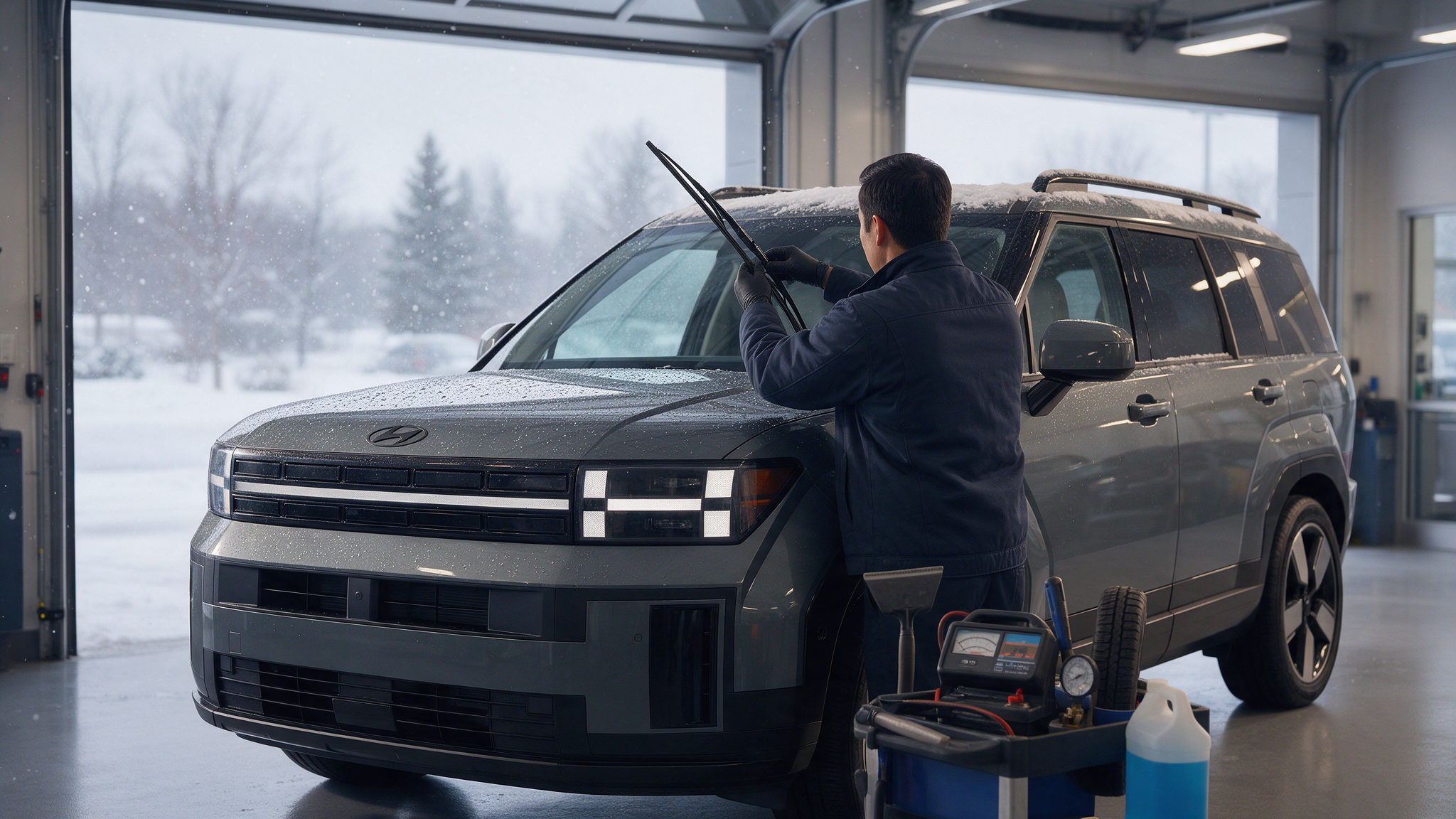
suv_lJBbRWqgv9

What Every Hyundai Driver Needs to Know About Winter Maintenance

What Is Included in Essential Hyundai Winter Maintenance? A complete Hyundai winter maintenance inspection focuses on testing the 12-volt battery, restoring proper tire pressure on cold rubber, inspecting brake hardware, checking engine coolant freeze protection, and topping off sub-zero windshield washer fluid. It ensures key mechanical systems withstand severe freezing temperatures, maintain emergency stopping performance, and prevent unexpected breakdowns during harsh winter conditions. As a Service Manager at Herrnstein Hyundai with over 10 years of experience, I see how sudden frost cycles catch owners off guard every single year. A standard multi-point seasonal checkup covers vital components that suffer most under thermal shock. Our technicians evaluate the electrical system voltage under load, inspect rubber serpentine belts for micro-cracking, examine front and rear brake friction pads for moisture-related corrosion, and verify that all exterior lighting and window defrosters operate at peak efficiency. Staying on top of factory-scheduled upkeep protects your vehicle whether you drive a brand-new model or rely on one of our certified pre-owned vehicles. If you ever have questions about what your specific model year requires before winter sets in, you can give our service team a quick call or check our main service bay location by pulling up directions to our dealership. Table of Contents How Does Cold Weather Affect Tire Pressure in Hyundai Vehicles? How Does Hyundai HTRAC All-Wheel Drive Work on Snow and Ice? Which Critical Fluids and Battery Checks Protect Your Hyundai in Freezing Weather? How Do Sub-Zero Temperatures Impact Hyundai Electric Vehicles and Hybrids? How Can You Prepare Your Hyundai for Winter Driving? How Does Cold Weather Affect Tire Pressure in Hyundai Vehicles? Cold ambient air causes tire pressure to drop by approximately 1 to 2 PSI for every 10-degree Fahrenheit drop in outside temperature. This thermal contraction reduces air density inside the tire, frequently triggering the low tire pressure monitoring indicator on chilly mornings even when no puncture or valve leak is present. When drivers pop in after the first major frost, they usually ask why their dashboard light illuminated overnight when the tires still look visually full. The tire pressure monitoring system detects this pressure drop immediately because cold air molecules expand. According to official Hyundai guidance, inflation pressure must always be checked and adjusted when tires are completely cold, using the baseline values printed on the driver-side center-pillar placard rather than the maximum pressure stamped on the tire sidewall. Operating on underinflated tires increases rolling resistance, reduces fuel economy, degrades tread life, and compromises emergency wet-weather handling. Maintaining proper cold tire inflation is especially vital on the unpaved surfaces and rolling farmland of Beaver Township, where low pressure makes tires far more vulnerable to rim damage and tread punctures. Once you inflate your tires to the specified placard level, most Hyundai models reset the monitoring system automatically after 10 to 20 minutes of continuous driving above 15 mph. If you need assistance checking your tread depth or setting precise cold pressures, you can easily schedule a service appointment with our certified technicians, or explore severe-weather tire care gear through our official accessories catalog. How Does Hyundai HTRAC All-Wheel Drive Work on Snow and Ice? HTRAC All-Wheel Drive continuously monitors wheel speed, vehicle velocity, steering angle, and surface grip to actively distribute torque between the front and rear axles in real time. On icy or snow-covered roads, the electro-mechanical clutch system transfers power to the wheels with the best traction before slippage causes driver instability. Unlike traditional four-wheel-drive systems that require manual driver engagement, HTRAC All-Wheel Drive operates fully automatically while seamlessly integrating with Electronic Stability Control. In standard driving conditions, the system directs most engine torque to the front wheels to optimize fuel economy. However, when sensor inputs detect front-wheel slippage on slick inclines or packed snow, HTRAC All-Wheel Drive lockup clutches instantly send up to 50 percent of total torque to the rear axle to maintain forward momentum and directional stability during acceleration. Vehicles like the Hyundai Santa Fe, Hyundai Tucson, and the 3-row 2026 Hyundai Palisade Limited AWD utilize selectable drive modes such as Snow Mode to tailor throttle response and shift logic specifically for reduced-grip conditions. While HTRAC All-Wheel Drive provides exceptional control during acceleration and cornering, braking capability relies heavily on tire friction. Pairing all-wheel drive with dedicated snow tires delivers the shortest stopping distances on ice. Before setting out on winter trips, make sure to check our service hours and location details so you can stop by for a comprehensive winter driveline check. Which Critical Fluids and Battery Checks Protect Your Hyundai in Freezing Weather? Sub-freezing temperatures drastically slow down battery chemical reactions while placing increased electrical loads on starter motors, making 12-volt battery health checks and severe-weather fluid inspections essential. Verifying anti-freeze protection levels down to lower ambient thresholds and switching to sub-zero washer fluid prevents costly cooling system damage and hazardous windshield icing. Freezing weather reduces a lead-acid battery's available cranking capacity by roughly 30 to 50 percent while engine oil thickens, forcing the starter motor to pull significantly more amperage. Our technicians test your battery's cold cranking amps and inspect terminal posts for oxidation or loose cable connections before cold weather sets in. If a battery is approaching three to five years of service, replacing it proactively avoids getting stranded on freezing mornings. Engine coolant must maintain an adequate ethylene glycol concentration to prevent internal freezing, block cracking, and radiator rupture. Initial coolant replacement is typically scheduled around 60,000 to 100,000 miles or 10 years, followed by regular fluid level and freeze-point inspections during routine oil changes. Additionally, washer fluid line freezing can shatter washer fluid pumps, so filling the reservoir with washer fluid rated for -20 degrees Fahrenheit or lower is critical for drivers making daily winter trips along State Route 32 near Stockdale. If your vehicle needs electrical testing or a new power cell, view our available replacement options for a genuine Hyundai battery unit. How Do Sub-Zero Temperatures Impact Hyundai Electric Vehicles and Hybrids? Sub-zero temperatures reduce electric vehicle and hybrid driving range by 15% to 30% due to reduced lithium-ion battery chemical efficiency and increased high-voltage cabin heating power consumption. Utilizing utility-connected preconditioning while charging minimizes battery thermal stress and preserves maximum driving range for cold-weather commutes. High-voltage lithium-ion battery packs operate most efficiently in moderate temperature windows. When ambient temperatures plunge below freezing, internal battery resistance increases, which slows electrochemical reactions and limits regenerative braking performance until the battery pack reaches its ideal operating temperature. Driving with resistive seat heaters and steering wheel heaters consumes far less battery power than blowing maximum cabin heat, helping extend overall driving range on freezing days. Preconditioning your Hyundai EV or hybrid while plugged into a home charger uses grid power rather than stored battery energy to warm the cabin and elevate battery pack temperatures before you start your drive. Models equipped with heat pumps recover waste heat from electric motors to warm the cabin far more efficiently than traditional resistive heaters. Planning trips with garaged parking and scheduled departure preconditioning keeps battery capacity optimized even during extended regional cold snaps. How Can You Prepare Your Hyundai for Winter Driving? Preparing your Hyundai for winter requires assembling a dedicated emergency road kit, inspecting wiper blade rubber, verifying headlight clarity, and scheduling a pre-winter multi-point service inspection. Taking these proactive steps ensures your vehicle handles unpredictable freezing conditions safely while protecting long-term mechanical reliability. A complete winter preparedness plan combines vehicle maintenance with roadside readiness. Ensure your windshield wiper blades feature pliable, non-streaking rubber or winter beam-blade designs to prevent ice accumulation. Packing an emergency kit with heavy jumper cables, a snow brush with an ice scraper, a flashlight, thermal blankets, non-perishable snacks, and sand or traction mats gives you peace of mind if weather conditions deteriorate during travel. Should an emergency occur on icy roads, Hyundai Roadside Assistance provides 24/7 manufacturer-backed support, including towing to an authorized service facility, flat tire assistance, and jump-starts. You can reach Hyundai Roadside Assistance: 1-800-243-7766 whenever emergency roadside help is needed. Taking care of your car's seasonal needs protects your investment for years to come. You can estimate future vehicle upkeep and total ownership budgeting using our online payment calculator tool, contact our team with a quick phone call, or get simple turn-by-turn directions to our service center to schedule your winter checkup today. © 2026 Herrnstein Hyundai. All rights reserved.
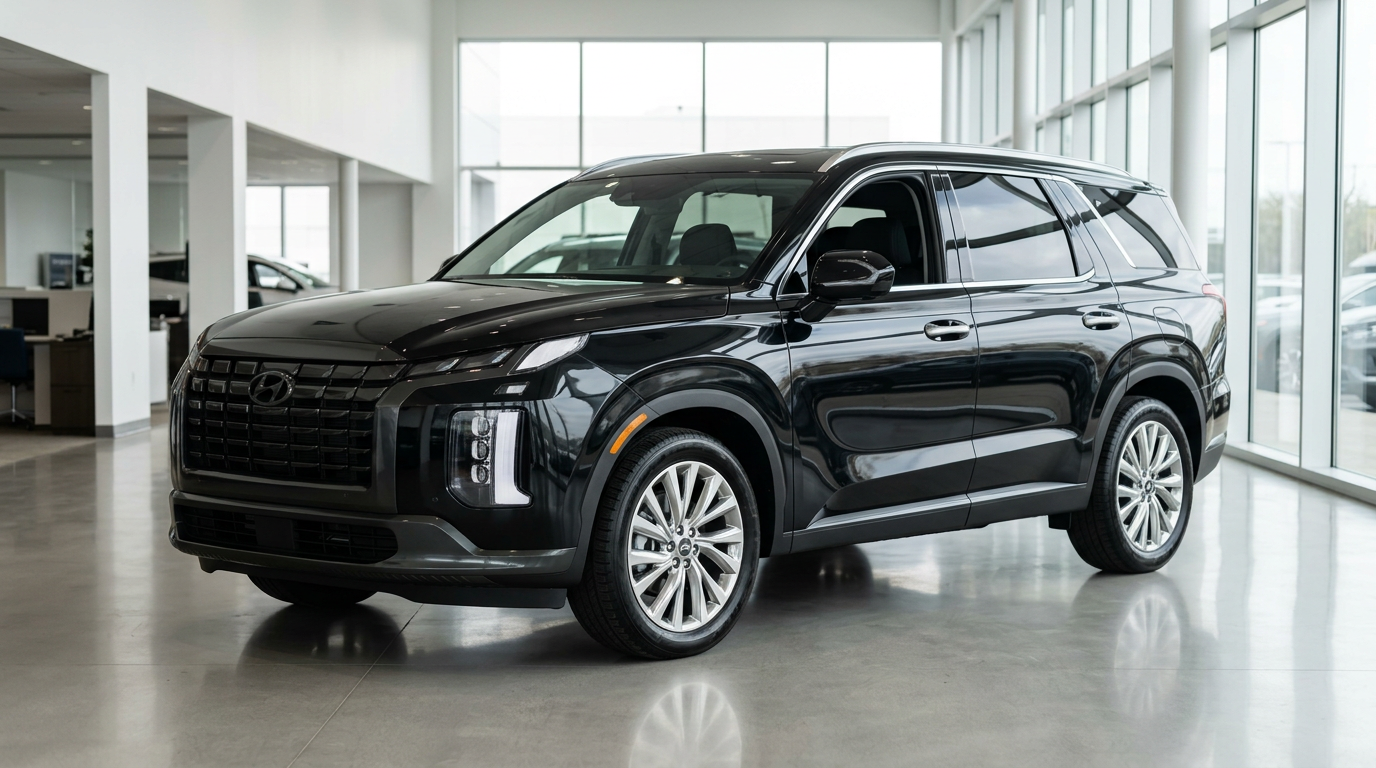
magnific__a-realistic-professional-photograph-of-a-2027-hyun_

2027 Hyundai Palisade FAQ: Configurations and Features

What Are the Key Features and Trim Options of the 2027 Hyundai Palisade? The 2027 Hyundai Palisade provides exceptional versatility for families needing a spacious three-row utility vehicle. With thirty-three distinct trim configurations spanning traditional gasoline and hybrid electric powertrains, front-wheel drive, and all-wheel drive, this full-size SUV meets a wide range of driving demands. Seating setups accommodate seven or eight passengers, allowing buyers to select between luxurious second-row captain's chairs or a broad three-person bench seat. Base configurations start with the SE FWD, offering impressive value with an entry MSRP of $39,735. Moving through the trim ladder reveals popular mid-tier models like the SEL and SEL Premium, followed by the rugged XRT Pro AWD designed for increased off-pavement utility. Executive levels include the refined Limited, flagship Calligraphy, and exclusive Calligraphy Black Ink Hybrid AWD, which tops the lineup at $59,680. Every configuration balances strong visual presence with functional daily design. Standard dimensions measure 199.2 inches long, 78.0 inches wide, and 69.5 inches tall, delivering a grounded stance. Practical exterior touches—such as integrated roof rails, standard 18-inch alloy wheels, and 7.4 inches of ground clearance—ensure the SUV handles varied surfaces with complete confidence. For those navigating the unpaved farm lanes surrounding Beaver Township, an 18.6-degree approach angle and 21.1-degree departure angle provide reassuring bumper clearance when pulling across uneven drainage ditches or gravel inclines. Inside, high-end appointments begin on base models with durable H-Tex synthetic leather seating surfaces. Stepping up to higher tiers unlocks premium leather upholstery, power-adjustable seating with memory settings, three-zone automated climate control, and a power glass sunroof. If you are ready to evaluate these trim levels in person, plan a visit to our Chillicothe showroom location or give our team a direct call to get detailed guidance on current vehicle availability. How Efficient Is the 2027 Hyundai Palisade Hybrid for Rural Commutes? Navigating long stretches of highway and two-lane county roads requires a vehicle that maximizes every gallon of fuel. The 2027 Hyundai Palisade Hybrid addresses this need by combining a 2.5L turbocharged four-cylinder engine with a dual AC electric motor system. Front-wheel-drive hybrid models achieve up to 33 city / 35 highway / 34 combined MPG, delivering a notable efficiency advantage over traditional gas-only V6 engines. For drivers tackling all-weather conditions with all-wheel drive, hybrid configurations still maintain an impressive 29 city / 30 highway / 29 combined MPG. This efficiency translates to real-world practicality on extended drives. Equipped with an 18.2-gallon fuel tank, front-wheel-drive hybrid trims offer a calculated driving range of up to 619 miles. That means long weekly routines around Beaver Township—from regional errands to family travel—can often be completed on a single tank without frequent interruptions at the pump. The transmission-integrated electric motor setup also ensures smooth power delivery when accelerating onto highway speeds or climbing low ridges. Beyond fuel savings, the hybrid system operates quietly, reducing cabin noise on open roads while delivering immediate low-end torque. Buyers who want to compare efficiency figures, seating options, or maintenance schedules across different trim levels can consult our detailed Herrnstein Hyundai FAQ. If you are interested in exploring eco-friendly inventory directly, feel free to inspect our selection of Hyundai Palisade Hybrid online or view the complete lineup of Hyundai New Cars currently available on our lot. What Powertrain and Towing Capabilities Does the 2027 Palisade Offer? The 2027 Hyundai Palisade presents two distinct mechanical setups tailored for diverse hauling and daily driving needs. Gas-only trim levels feature a naturally aspirated 3.5L V6 engine that generates 287 hp and 260 lb-ft of torque, routed through a smooth SHIFTRONIC® automatic transmission. This conventional powertrain delivers robust pull, allowing appropriately equipped models to achieve a maximum towing capacity of 5,000 lbs. This rating easily accommodates utility trailers, small boat setups, or equipment loads across the rolling landscape of Stockdale. Alternatively, hybrid models pair a 2.5L turbocharged four-cylinder engine with dual electric motors through a specialized transmission arrangement. This advanced hybrid system delivers a net output of 329 hp and 339 lb-ft of torque, providing strong low-end pulling power thanks to instant electric motor torque. Hybrid configurations remain capable workhorses with a maximum towing limit of 4,000 lbs. Every configuration includes standard trailer stability control to manage sway during transport, along with dedicated tow modes that adjust transmission shift logic under load. Suspension tuning utilizes MacPherson front struts and an independent multi-link rear setup to maintain stability when carrying heavy cargo or pulling trailer weights. If you plan to upgrade from your current vehicle to a versatile three-row SUV, you can value your trade-in online before stopping by. Drivers comparing different budget options can also check our pre-owned vehicle inventory or review our showroom hours and store location to speak with our product specialists directly. How Spacious and Family-Friendly Is the Interior of the 2027 Palisade? Designed to accommodate growing families and multi-passenger carpools, the cabin of the 2027 Hyundai Palisade balances refined comfort with practical utility. Front occupants enjoy 41.7 inches of headroom and 44.2 inches of legroom, while second-row passengers benefit from 41.4 inches of legroom. The third row provides 32.1 inches of legroom and 37.8 inches of headroom, ensuring adequate space for teenagers or adults during trip outings around Stockdale. Depending on your configuration preference, you can choose between an eight-passenger layout with a second-row bench seat or a seven-passenger seating arrangement featuring individual captain's chairs for easier third-row access. Behind the rearmost seats, the rear cargo compartment offers roughly 19 cu ft of storage area for grocery runs and everyday equipment. Folding down the second and third rows expands maximum cargo capacity to approximately 87 cu ft, easily accommodating bulky athletic gear, luggage, or supplies for outdoor projects. Convenience amenities such as a hands-free power liftgate, built-in cargo area lighting, integrated load hooks, and a three-zone automatic climate control system with standard air filtering maintain cabin comfort across changing seasonal weather conditions. Entry and mid-level trims feature durable H-Tex synthetic leather seating surfaces in versatile Black or Gray tones, equipped with a 5-way power driver seat and electric lumbar support. Upper trim levels introduce a 6-way power driver seat with memory settings alongside ventilated seating functions. If you want to arrange your purchase details in advance, you can complete our secure online credit application to streamline the buying process. Drivers comparing different purchase options are also invited to browse our current selection of certified pre-owned vehicles to explore additional high-value three-row options. What Safety and Infotainment Technology Is Standard on the 2027 Palisade? Every 2027 Hyundai Palisade comes equipped with comprehensive driver-assistance systems and advanced digital cockpit technology from the base trim upward. The center console features a standard 12.3-inch touchscreen navigation display seamlessly paired with a 12.3-inch digital instrument cluster. Wireless Apple CarPlay and Android Auto integration come standard across the entire lineup, eliminating cords while displaying maps, media, and smartphone applications. Seven USB charging ports are distributed across all three rows, alongside a front wireless device charging pad and an active Wi-Fi hotspot capability to keep all occupants connected during long family road trips. Connected vehicle services are powered by Blue Link®, which includes remote engine start with climate adjustment, vehicle health monitoring, and remote door lock features. Navigation-based Highway Driving Assist (HDA) coordinates adaptive cruise speed control with highway curves and recognized speed limits. For drivers wanting to protect their interior tech or add specialized cargo management solutions, exploring the online Hyundai accessories catalog (Parts & Accessories) provides access to custom-fit cab liners and organizer systems. Occupant protection is anchored by a standard 10-airbag protection system, which includes a front-center airbag between the driver and front passenger to lessen cabin impact forces. Active safety equipment features Forward Collision-Avoidance Assist (FCA) with Pedestrian Detection, Blind-Spot Collision Warning (BCW), and Rear Cross-Traffic Collision-Avoidance Assist (RCCA). Additionally, Lane Following Assist (LFA) and a rear occupant alert system provide consistent peace of mind when maneuvering through busy town centers or backing down long farm driveways in Beaver Township. To ensure all active safety sensors and camera systems remain properly calibrated over time, owners can easily book routine maintenance online through our dedicated service portal. Frequently Asked Questions About the 2027 Hyundai Palisade Here are answers to common questions about configuring, powering, and taking delivery of this capable three-row SUV. What is the maximum towing capacity of the 2027 Hyundai Palisade? When equipped with the naturally aspirated 3.5L V6 engine, maximum trailering capacity reaches 5,000 lbs. This includes gas configurations such as the SE AWD, SEL AWD, Limited AWD, Calligraphy AWD, and rugged XRT Pro AWD. Variants powered by the turbocharged 2.5L hybrid powertrain deliver a maximum rating of 4,000 lbs. Both engine options include standard trailer stability management features to help maintain control when pulling trailered loads along winding back roads near Stockdale. How efficient is the hybrid option compared to the standard V6 engine? The 2.5L hybrid powertrain achieves an EPA-estimated 33 MPG city / 35 MPG highway / 34 MPG combined on front-wheel-drive configurations. By comparison, front-wheel-drive models equipped with the 3.5L V6 engine achieve an estimated 19 MPG city / 25 MPG highway / 21 MPG combined. Choosing a hybrid trim provides an additional 13 MPG combined, which meaningfully reduces fuel stops during extended trips across southern Ohio. Which trims feature an eight-passenger seating layout? Eight-passenger seating is available on several trim options, including the SE FWD, SE AWD, SEL 8 Passenger, SEL Premium 8 Passenger, and select Blue SEL Hybrid builds. These configurations utilize a second-row bench seat rather than individual captain's chairs, maximizing overall passenger capacity for larger families. What active safety systems come standard on the entry-level trim? Every configuration includes a 10-airbag system alongside a comprehensive suite of active safety technologies. Standard equipment includes Forward Collision-Avoidance Assist with Pedestrian Detection, Blind-Spot Collision Warning, Rear Cross-Traffic Collision-Avoidance Assist, Lane Following Assist, and Highway Driving Assist. Buyers do not need to upgrade to higher trim levels to access advanced driver protection systems. Where can buyers learn more about Herrnstein Hyundai and dealership services? To discover our history, store values, and commitment to area drivers, explore About Herrnstein Hyundai. If you want to view vehicle configurations in person, you can Get Directions to Herrnstein Hyundai to our showroom located at 2827 River Rd, Chillicothe, OH 45601. You can also Call us at (740) 779-6555 to speak directly with a knowledgeable vehicle specialist. Still have questions about ordering or servicing your vehicle? Contact our sales team today for personalized assistance. © 2026 Herrnstein Hyundai. All rights reserved.
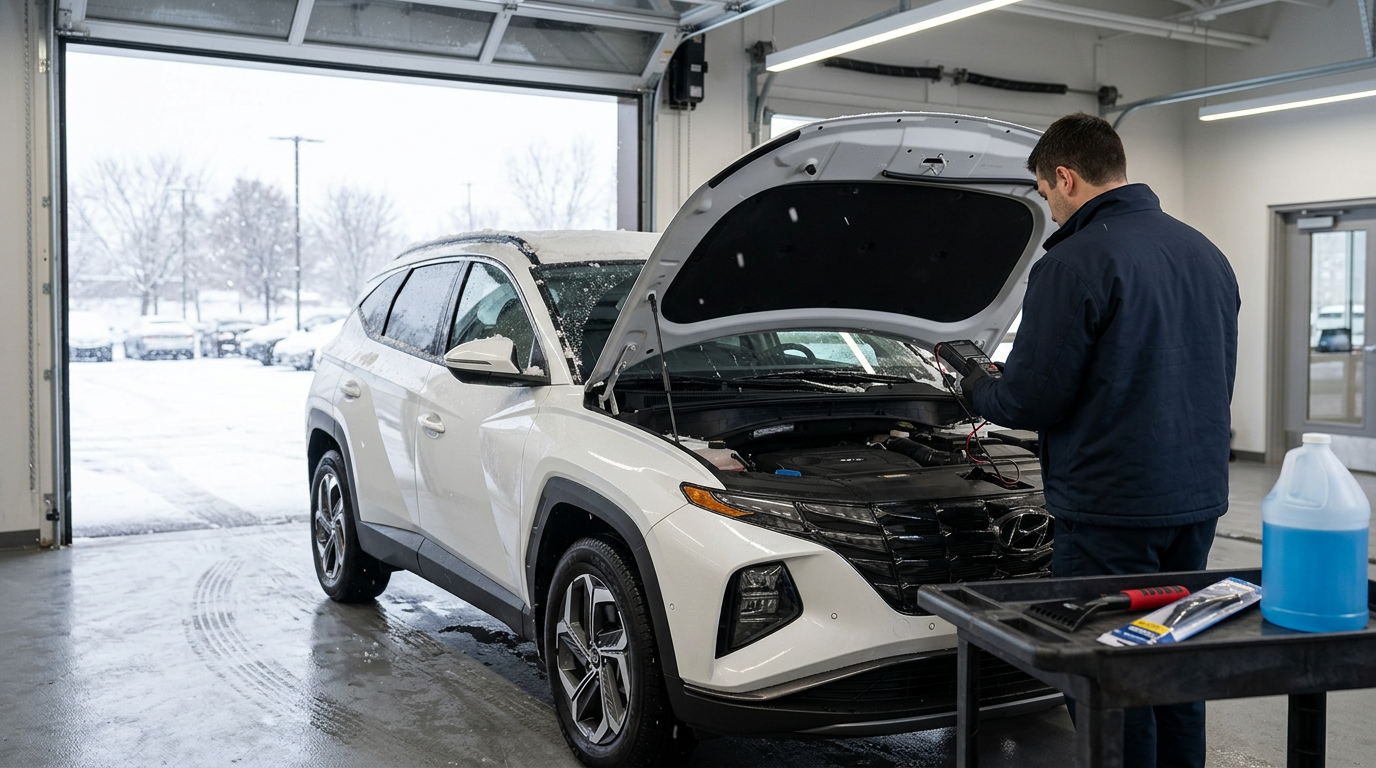
magnific__a-realistic-professional-photograph-of-a-2026-hyun

Essential Hyundai Winter Car Care Tips: Expert Q&A with Herrnstein Hyundai

Preparing your vehicle for freezing temperatures requires testing battery output, maintaining recommended tire inflation, switching to winter-grade fluids, and taking full advantage of modern traction features like HTRAC AWD. Taking these proactive measures before severe weather hits ensures dependable starts and safe handling on icy roads. To break down everything owners should know about winter vehicle preparation, we sat down with our Service Manager at Herrnstein Hyundai, who brings over a decade of hands-on technical experience helping local drivers navigate harsh seasonal driving conditions. Q: What are the most essential Hyundai winter car care tips for cold weather? A: Cold weather places extra strain on your vehicle's mechanical and electrical systems, making early preparation essential for preventing winter breakdowns. The most critical items to address before sub-freezing temperatures arrive are testing your battery's health, inspecting tire tread and pressure, verifying your engine coolant mixture, and ensuring your windshield washing system is filled with an anti-freeze fluid. Ignoring any one of these areas increases the risk of starting failures or compromised vehicle control on slick pavement. When temperatures drop significantly, engine oil thickens and chemical reactions inside your starter battery slow down, requiring more power to crank the motor just as the battery has less available energy. At the same time, ambient air temperatures cause tire pressure to drop naturally. Checking your tire inflation when the rubber is cold and maintaining fluid levels specified in your vehicle documentation are vital initial steps. Drivers interested in maintaining factory service standards can review our online car care guide for detailed schedule recommendations. If you suspect your vehicle needs a pre-winter checkup, you can give our service desk a quick call to discuss any performance changes you have noticed. Taking care of small issues like worn wiper blades or a weak battery cell during autumn prevents major inconveniences once freezing rain and snow arrive. For hands-on maintenance assistance, our Chillicothe service center address makes it convenient to drop by for a complete system inspection. Q: Does Hyundai HTRAC AWD include a specialized Snow Drive Mode for slippery roads? A: Yes, Hyundai HTRAC AWD includes a specialized Snow Mode that continuously optimizes torque distribution, transmission shift logic, and throttle sensitivity to reduce wheel spin on snow and ice. When engaged via the drive mode selector on models like the 2026 Hyundai Tucson AWD or 2026 Hyundai Santa Fe AWD, the system distributes power between the front and rear axles to help maintain directional stability when accelerating from a complete stop. Drivers testing a 2026 Hyundai Santa Fe AWD usually ask how the Snow Mode setting differs from standard driving modes before taking the vehicle on a test route. In standard operation, the system favors front-wheel efficiency, but selecting Snow Mode locks in a higher ratio of rear-axle torque right from launch while softening initial throttle delivery. This prevents sudden surges of power that could break tire traction on packed snow or slush. Understanding how your all-wheel-drive system operates gives you greater control during winter storms. Drivers exploring updated vehicle options can explore new Hyundai AWD models equipped with this technology. Our team can also help you review current new vehicle specials or complete an online credit application to streamline your upgrade before peak winter weather hits. Q: How should Hyundai owners check battery health and cold cranking amps before freezing temperatures? A: Owners should have a technician perform a professional conductance test to measure cold cranking amps and reserve capacity, as sub-freezing weather drastically reduces a battery's starting power. Standard 12-volt batteries lose a significant percentage of their cranking strength at 32 degrees Fahrenheit, and that capacity drops further as temperatures reach zero. A conductance test reveals whether your battery can deliver its rated amperage under cold load before it fails unexpectedly on an icy morning. "Checking your tire pressure when ambient temperatures drop is the single simplest action you can take to keep your family safe on slick roads." If your starter sounds slow during morning ignitions or your headlights dim at idle, your battery is likely reaching the end of its functional life. Replacing an aging battery before severe cold sets in protects your starter motor and alternator from excessive strain. For standard gas models, a fresh battery provides the exact cold cranking amps specified by the factory, while models equipped with Stop and Go engines require advanced AGM units to manage higher electrical loads. Keeping electrical connections clean is equally important during winter driving. Road grime and terminal corrosion restrict electrical flow, making an otherwise healthy battery struggle to start your engine. If you need replacement components or winter accessories like heavy-duty floor mats, you can order genuine parts through OEM Hyundai parts and accessories online. For budget-conscious drivers, exploring our pre-owned inventory offers access to reliable late-model vehicles already equipped with fresh batteries and severe-weather prep. Q: What tire pressure and tread depth levels are needed for winter driving in Beaver Township? A: Maintaining tire pressure according to the driver-side door jamb placard and keeping tread depth at 4/32 of an inch or greater is essential for traction in winter driving conditions. Outside air temperatures reduce tire inflation by approximately 1 to 2 PSI for every 10-degree drop, which often triggers the Tire Pressure Monitoring System alert during seasonal cold snaps. The gravel back roads around Beaver Township frequently develop slick mud and packed snow patches that demand maximum tire contact. While the legal minimum tread depth is 2/32 of an inch, driving on winter slush with tread below 4/32 severely compromises water displacement and stopping distances. Dedicated winter tires feature specialized rubber compounds that remain pliable in sub-45-degree temperatures, utilizing dense siping to bite into ice where standard all-season compounds tend to harden and slip. Lowering tire pressure to gain traction in deep snow is a widespread myth that actually reduces handling stability and risks damaging tire sidewalls. Always inflate your tires to the cold specification listed on your vehicle door pillar label rather than the maximum pressure stamped on the tire sidewall. Drivers looking for winter-ready transport can browse our certified pre-owned vehicles to find models equipped with modern safety systems, or check our service hours and directions to drop in for a quick tire evaluation. Q: How do extreme cold temperatures impact Hyundai EV battery range and preconditioning? A: Freezing temperatures temporarily reduce electric vehicle battery range between 15% and 30% due to decreased lithium-ion chemical efficiency and the extra electrical power required for cabin heating. Utilizing cabin and battery preconditioning while your vehicle is still plugged into a charger allows the system to draw energy from the grid to warm the battery pack and interior before you depart. For instance, drivers in Stockdale taking State Route 32 during long cold-weather commutes benefit significantly from setting preconditioning timers via their smartphone app. Starting your drive with a battery pack already warmed to its ideal operating temperature preserves your state of charge for highway driving. Models like the 2026 Hyundai Ioniq 5 also feature intelligent thermal management systems that automatically warm the battery when navigating toward a DC fast charger, ensuring optimal charging speeds despite low ambient temperatures. Garaging your electric vehicle overnight minimizes range degradation by insulating the battery from extreme wind chill. Owners can learn more about electric vehicle thermal management and charging strategies by browsing our Hyundai EV resource center. If you are considering transitioning to an electric or hybrid vehicle for your daily drive, our team makes it easy to value your trade-in toward an updated model. Q: Which essential fluids and maintenance services protect your Hyundai all winter long? A: Switching to a winter-formula windshield washer fluid rated for below-freezing temperatures and verifying that your engine coolant is mixed to a 50/50 anti-freeze ratio are the most critical fluid services for cold-weather protection. Standard summer washer fluids can freeze on contact with a cold windshield or burst the fluid reservoir, while incorrect coolant ratios can lead to cracked engine blocks or frozen heater cores. Winter maintenance also involves inspecting wiper blades for tears, checking brake pad thickness for stopping power on slick surfaces, and scheduling frequent undercarriage washes. In heavy salt-belt regions, road salt and liquid de-icers accumulate in vehicle underbodies, accelerating corrosion on suspension components and brake lines. A thorough undercarriage wash removes accumulated salt before rust can establish a foothold. Taking care of these minor services before winter reaches its peak ensures your vehicle remains safe and dependable throughout the season. You can easily schedule your winter service appointment online to have our factory-trained technicians inspect your vehicle. If you prefer to speak directly with an advisor, feel free to give our team a quick call or stop by our service center location for personalized winter car care advice. © 2026 Herrnstein Hyundai. All rights reserved.